What Is Intraoral Massage? A Complete Guide to This Powerful Facial Therapy
If you’ve ever caught yourself clenching your jaw during stress, waking up with facial tightness, or feeling like your face carries the weight of your entire day, you’re not imagining it. The face, especially the jaw, holds an incredible amount of tension. This is where intraoral massage enters the picture. It’s one of those therapies that sounds unusual at first, but once you try it, you’ll realize what you’ve been missing out on.
Intraoral massage is a specialized hands-on technique that works with the muscles inside the mouth to release deep tension, improve function, and even enhance facial appearance. Unlike surface-level facial massage, this approach targets muscles that are otherwise hard to reach from the outside. Think of it like accessing the backstage of your facial structure, where the real work happens.
How Intraoral Massage Works
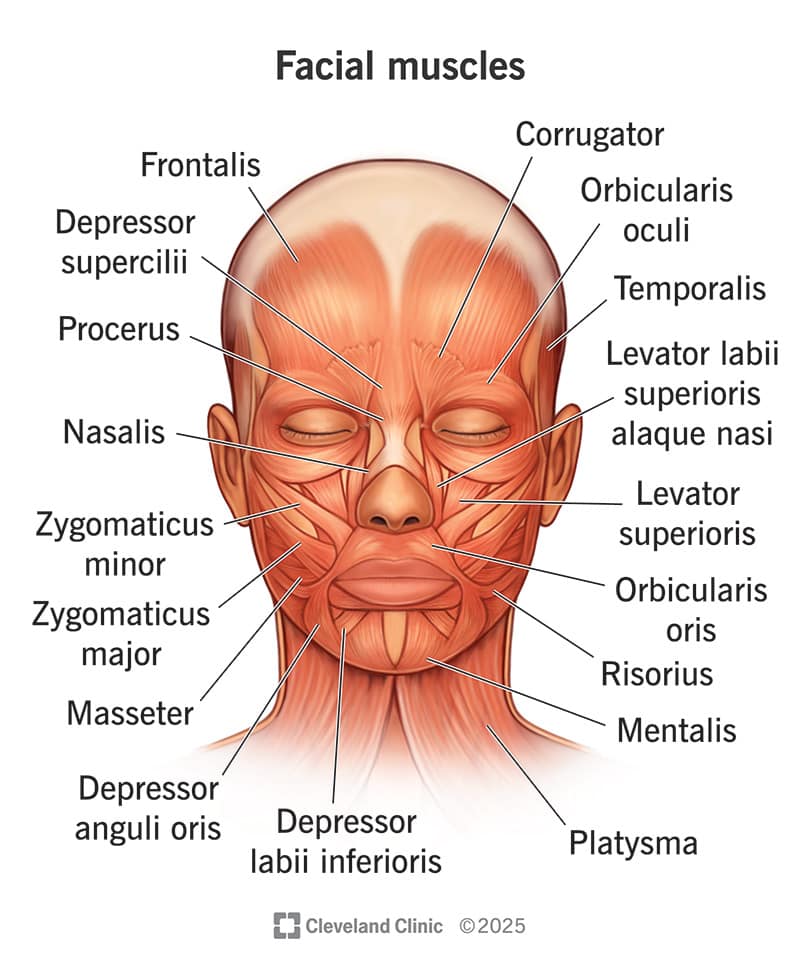
The Anatomy of Facial and Jaw Muscles
The face has about 20 muscles that control chewing, speaking, and expression. Some of the most important ones, like the masseter and buccinator, are thick, powerful, and prone to overuse. Stress, posture, and habits like clenching or grinding can cause these muscles to tighten over time.
Intraoral massage works by manually stretching and releasing these muscles, encouraging them to return to a more relaxed and functional state.
Role of the Buccal Muscles and TMJ
A major focus is often the muscles surrounding the temporomandibular joint (TMJ). These muscles play a huge role in jaw movement and alignment. Releasing them can improve mobility, reduce discomfort, and restore balance throughout the face.
Benefits of Intraoral Massage
Relief from Jaw Tension and TMJ Discomfort
One of the most common reasons people seek intraoral massage is jaw pain. Chronic clenching, grinding, or stress can overload the jaw muscles, leading to discomfort, clicking, or limited movement. By addressing these muscles directly, intraoral massage helps reduce tension at its source.
Facial Sculpting and Aesthetic Benefits
From an aesthetic standpoint, relaxed muscles create a more balanced and sculpted appearance. Jaw clenching and teeth grinding causes hypertrophy (enlargement) of the mouth and jaw muscles. Imagine your bicep curling a weight but just holding it up all the time, those muscles are at their largest.
Stress Reduction and Nervous System Relaxation
The jaw is closely linked to the nervous system. Releasing tension here often triggers a full-body relaxation response. Many people report feeling calmer, lighter, and mentally clearer after a session.
Improved Circulation and Lymphatic Drainage
By stimulating deep tissues, intraoral massage improves blood flow and lymphatic movement. This can reduce puffiness, support tissue health, and promote a fresher appearance.
What to Expect During an Intraoral Massage Session
What Happens During a Session
During a session, the practitioner wears gloves and gently inserts a finger into the mouth while supporting the outside of the face with the other hand. Movements are slow, controlled, and intentional. Pressure is adjusted based on comfort and need.
The experience is often described as intense but relieving, I often describe it as similar to deep tissue massage elsewhere in the body. Many people are surprised by how much tension they didn’t realize they were holding.
During the treatment at Dawn Kendall Wellness, I incorporate neck, shoulder, head and facial massage into the process. All of these areas affect and are affected by the jaw. The intraoral aspect is the last part of the process, once your body and nervous system have had a chance to relax and trust.
Common Sensations and Aftereffects
Some people feel results after one session, while others benefit from regular treatments. Mild soreness is possible, similar to post-workout muscle fatigue. This usually fades quickly or overnight, leaving a sense of relief and relaxation.
Intraoral Massage vs. Buccal Massage
Are They the Same Thing?
Buccal massage is a popular form of intraoral massage focused mainly on aesthetics. They are very similar in that both work intraorally, really it’s just the name given to the treatment that is different.
Conclusion
Intraoral massage may sound unconventional, but its impact is anything but. By addressing facial tension at its source, this technique offers relief, balance, and restoration in a way few other therapies can. Whether you’re dealing with jaw discomfort, chronic stress, or simply want a more relaxed and balanced face, intraoral massage provides a thoughtful, natural approach. It’s not about quick fixes, it’s about understanding the body, one muscle at a time.